Dragon Ball Games in the Esports Scene: From Local Tournaments to Global Events
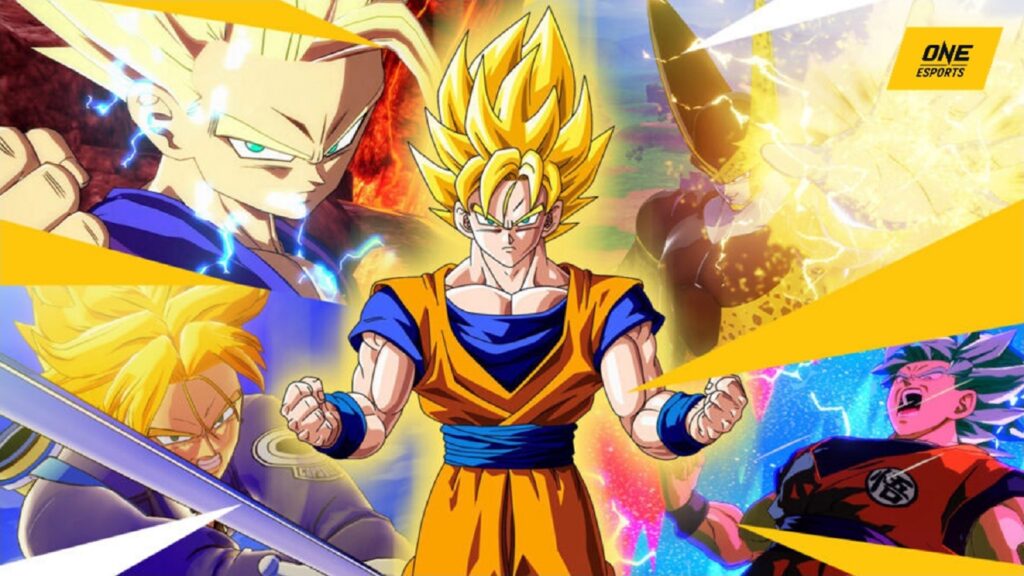
The Rise of Dragon Ball as a Competitive Gaming Franchise
Over the past decade, Dragon Ball games have emerged as a significant force in the esports scene, with tournaments attracting thousands of players and spectators from around the world. What began as local gatherings of fans has evolved into a global phenomenon with professional players, lucrative prize pools, and major sponsorships.
The Early Days of Competitive Dragon Ball Gaming
Competitive Dragon Ball gaming can trace its roots back to the early 2000s, with local tournaments for games like Dragon Ball Z: Budokai and Dragon Ball Z: Budokai Tenkaichi. These events were typically small, community-organized affairs held at arcades, game stores, and conventions.
The Breakthrough: Dragon Ball FighterZ
The release of Dragon Ball FighterZ in 2018 marked a turning point for competitive Dragon Ball gaming. Developed by Arc System Works, the game featured deep gameplay mechanics, stunning visuals, and a balanced roster that made it ideal for competitive play.
Major Tournaments and Events
Today, there are several major Dragon Ball gaming tournaments held around the world:
-
Dragon Ball FighterZ World Tour: The premier Dragon Ball FighterZ tournament circuit, featuring events in North America, Europe, Asia, and South America, culminating in a World Championship with a prize pool of over $250,000.
-
Evo: The Evolution Championship Series, the largest fighting game tournament in the world, has featured Dragon Ball FighterZ as a main event since 2018.
-
Capcom Cup: While primarily focused on Capcom games, Capcom Cup has included Dragon Ball FighterZ as a side event in recent years.
-
DreamHack: The popular gaming festival features Dragon Ball FighterZ tournaments at its events around the world.
-
Community Tournaments: Hundreds of community-organized tournaments are held throughout the year, ranging from small local events to large online competitions.
Professional Players and Teams
The competitive Dragon Ball gaming scene has produced several professional players who have become celebrities in their own right:
-
SonicFox: One of the most dominant players in the history of fighting games, SonicFox has won multiple Dragon Ball FighterZ tournaments, including the 2018 World Tour Finals.
-
Go1: A Japanese player known for his technical skill and strategic gameplay, Go1 has won numerous Dragon Ball FighterZ tournaments in Asia and North America.
-
Fenrich: An American player known for his aggressive playstyle and mastery of multiple characters, Fenrich has consistently placed high in major tournaments.
-
Lord Knight: A Mexican player who rose to prominence with his innovative use of characters like Android 21 and Broly.
Many of these players are now signed to professional esports teams, including Team Liquid, Cloud9, and Evil Geniuses.
Streaming and Content Creation
Streaming has played a significant role in the growth of the competitive Dragon Ball gaming scene. Platforms like Twitch and YouTube have allowed fans to watch their favorite players compete, learn strategies, and interact with the community.
Popular Dragon Ball gaming streamers include:
-
Maximilian Dood: Known for his energetic commentary and in-depth analysis of Dragon Ball FighterZ gameplay.
-
Sajam: A professional player and commentator who provides expert analysis of competitive play.
-
Core-A Gaming: A YouTube channel that produces high-quality educational content about Dragon Ball FighterZ and other fighting games.
The Future of Dragon Ball Esports
The future of Dragon Ball esports looks bright, with several developments on the horizon:
-
New Games: The upcoming release of Dragon Ball: Legacy of the Super Saiyans and Dragon Ball FighterZ 2 will likely expand the competitive scene with new gameplay mechanics and tournaments.
-
Increased Prize Pools: Major tournaments are expected to offer even larger prize pools, attracting more professional players and teams.
-
Mainstream Recognition: Dragon Ball esports is beginning to receive mainstream recognition, with coverage on sports networks and partnerships with major brands.
-
Youth Development: Programs are being established to nurture young talent and help them develop their skills in competitive Dragon Ball gaming.
Challenges Facing the Scene
Despite its growth, the Dragon Ball esports scene faces several challenges:
-
Game Balance: Maintaining balance in Dragon Ball games is crucial for competitive play, as overpowered characters can dominate tournaments and make the game less enjoyable to watch.
-
Player Retention: Keeping players engaged in the competitive scene can be challenging, especially as new games are released and player bases shift.
-
Diversity and Inclusion: Like many esports, the Dragon Ball gaming scene has struggled with issues of diversity and inclusion, with efforts being made to create a more welcoming environment for players of all backgrounds.
The Impact on the Dragon Ball Franchise
The success of competitive Dragon Ball gaming has had a positive impact on the franchise as a whole, introducing new fans to the series and keeping existing fans engaged between new anime and manga releases. It has also provided a new revenue stream for Bandai Namco, through game sales, merchandise, and tournament sponsorships.
Community and Culture
At its core, the competitive Dragon Ball gaming scene is built on a passionate community of fans who share a love for the franchise. This community has created a unique culture with its own traditions, terminology, and social norms, fostering friendships and connections that extend beyond the game itself.