The Animation and Technical Evolution of Dragon Ball
From Hand-Drawn Cells to Modern CGI: The Technical Journey of a Franchise
Dragon Ball has been captivating audiences around the world for over three decades, not just through its compelling storylines and memorable characters, but also through its innovative animation techniques and technical advancements. From the hand-drawn cells of the original Dragon Ball to the modern CGI of Dragon Ball Super, the series has evolved significantly in terms of animation quality and technical prowess. In this article, we’ll explore the animation and technical evolution of Dragon Ball, and how it has pushed the boundaries of what’s possible in anime.
The Early Days: Hand-Drawn Animation in Dragon Ball
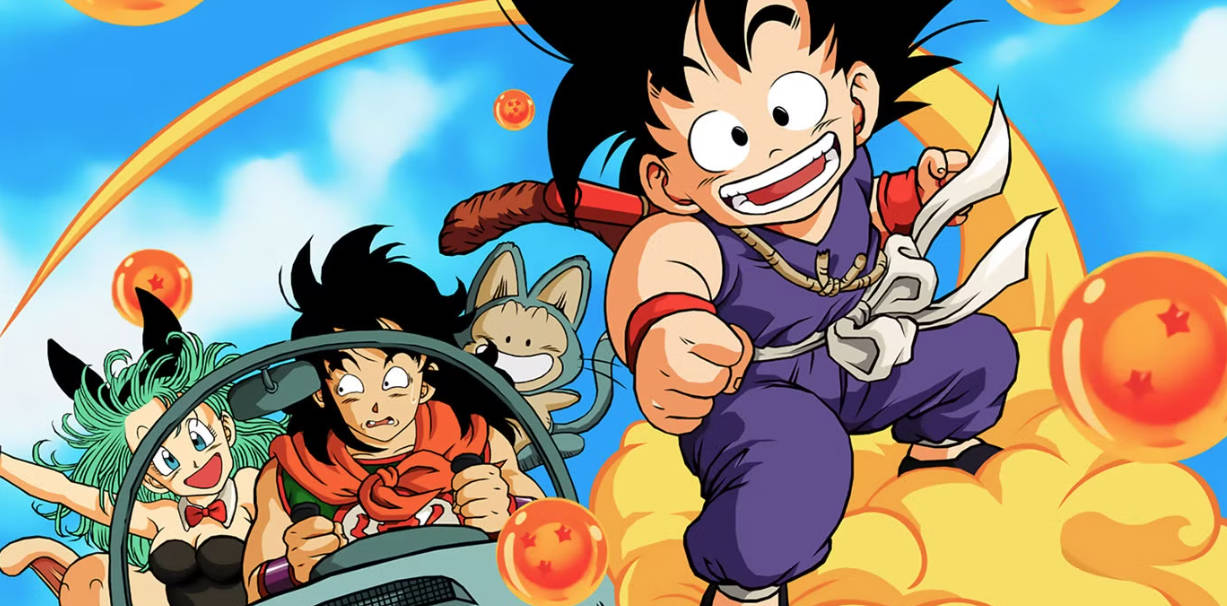
The original Dragon Ball series, which aired from 1986 to 1989, was animated using traditional hand-drawn techniques, which were standard in the anime industry at the time.
Key Techniques:
-
Hand-Drawn Cells: Each frame of the original Dragon Ball was drawn by hand on celluloid cells, which were then photographed and compiled to create the animation.
-
Limited Animation: Like most anime series of the time, Dragon Ball used limited animation techniques to save time and resources, with characters often moving in repeated patterns.
-
Dynamic Camera Angles: Despite the limitations of hand-drawn animation, Dragon Ball featured dynamic camera angles and perspectives, which added excitement to the action sequences.
-
Speed Lines: Dragon Ball introduced the use of speed lines, which are lines drawn behind moving objects to create a sense of speed and motion.
-
Color Techniques: Dragon Ball used a limited color palette, which was standard for anime of the time, but still managed to create vibrant and memorable visuals.
The Evolution: Dragon Ball Z’s Animation Advances
When Dragon Ball Z premiered in 1989, it brought with it several animation advances that helped to elevate the series’ visual quality.
Key Developments:
-
Improved Character Designs: Dragon Ball Z featured more detailed character designs than the original series, with characters having more defined musculature and facial expressions.
-
Enhanced Action Sequences: Dragon Ball Z’s action sequences were more dynamic and fluid than those in the original series, with more frames per second and smoother movements.
-
Special Effects: Dragon Ball Z introduced more elaborate special effects, including energy blasts, transformations, and explosions, which were more detailed and visually impressive than those in the original series.
-
Background Art: Dragon Ball Z featured more detailed background art than the original series, with more realistic landscapes and environments.
-
Consistency in Animation: Dragon Ball Z maintained a higher level of consistency in animation quality than the original series, with fewer noticeable drops in quality during action sequences.
The Digital Revolution: Dragon Ball GT and Beyond
In the late 1990s and early 2000s, the anime industry began to transition from traditional hand-drawn animation to digital animation, and Dragon Ball was at the forefront of this revolution.
Key Changes:
-
Digital Coloring: Dragon Ball GT, which aired from 1996 to 1997, was one of the first Dragon Ball series to use digital coloring techniques, which allowed for more vibrant and consistent colors.
-
Computer-Generated Imagery (CGI): Dragon Ball GT also began to incorporate CGI elements into its animation, particularly for special effects and background elements.
-
Improved Production Values: The transition to digital animation allowed for improved production values, with smoother animations and more detailed visuals.
-
The DBZ Kai Remake: Dragon Ball Z Kai, which aired from 2009 to 2015, was a remastered version of Dragon Ball Z that used modern digital techniques to improve the animation quality and remove filler content.
-
High-Definition Remastering: Dragon Ball Z Kai was also released in high definition, which allowed fans to experience the series in a new way with sharper visuals and more vibrant colors.
The Modern Era: Dragon Ball Super’s Cutting-Edge Animation
Dragon Ball Super, which aired from 2015 to 2018, represents the pinnacle of Dragon Ball’s animation evolution, with cutting-edge techniques and stunning visuals.
Key Advancements:
-
Hybrid Animation Techniques: Dragon Ball Super uses a hybrid approach to animation, combining traditional hand-drawn techniques with modern CGI to create dynamic and visually impressive sequences.
-
Improved Character Designs: Dragon Ball Super features updated character designs that maintain the essence of the original characters while incorporating modern animation techniques.
-
Enhanced Action Sequences: Dragon Ball Super’s action sequences are some of the most dynamic and visually impressive in the series’ history, with fluid movements and elaborate special effects.
-
World-Building: Dragon Ball Super features more detailed and immersive world-building than previous series, with intricate backgrounds and environments that bring the multiverse to life.
-
Consistency in Quality: Dragon Ball Super maintains a high level of consistency in animation quality throughout its run, with fewer noticeable drops in quality than previous series.
The Role of Toei Animation
Toei Animation, the studio responsible for animating all Dragon Ball series, has played a crucial role in the technical evolution of the franchise.
Key Contributions:
-
Technical Innovation: Toei Animation has been at the forefront of technical innovation in the anime industry, constantly pushing the boundaries of what’s possible in animation.
-
Talented Animators: Toei Animation has employed some of the most talented animators in the industry, including Akira Toriyama himself, who has contributed to the series’ character designs and storylines.
-
Consistency in Style: Despite the technical evolution of the series, Toei Animation has maintained a consistent visual style throughout the Dragon Ball franchise, ensuring that the series remains recognizable to fans.
-
Adaptability: Toei Animation has shown remarkable adaptability, transitioning from traditional hand-drawn animation to modern digital techniques while maintaining the series’ visual identity.
-
Collaboration with Akira Toriyama: Toei Animation has worked closely with Akira Toriyama throughout the series’ run, ensuring that the animation remains faithful to his original vision while incorporating technical advancements.
The Animation of Dragon Ball Movies
The Dragon Ball movies have consistently pushed the boundaries of animation quality, with each new movie featuring more advanced techniques than the last.
Key Movies:
-
Dragon Ball Z: Battle of Gods: Battle of Gods featured stunning animation quality, with fluid movements and elaborate special effects that set a new standard for the franchise.
-
Dragon Ball Z: Resurrection ‘F’: Resurrection ‘F’ continued the trend of improved animation quality, with even more detailed visuals and dynamic action sequences.
-
Dragon Ball Super: Broly: Broly featured some of the most impressive animation in the franchise’s history, with stunning action sequences and detailed character designs that brought the titular character to life.
-
Dragon Ball Super: Super Hero: Super Hero introduced a new animation style that combined 2D and 3D elements, creating a unique visual experience that was both familiar and fresh.
-
The Future of Dragon Ball Movies: Future Dragon Ball movies will no doubt continue to push the boundaries of animation quality, incorporating the latest techniques and technologies to create even more visually impressive experiences.
The Impact on the Anime Industry
Dragon Ball’s animation evolution has had a significant impact on the anime industry, influencing how other series are animated and produced.
Key Influences:
-
Technical Standards: Dragon Ball has helped to raise the technical standards for anime, with other series adopting similar animation techniques and production values.
-
Action Sequences: Dragon Ball’s dynamic and fluid action sequences have influenced how action is animated in other anime series, with many series adopting similar techniques.
-
Hybrid Animation: Dragon Ball’s use of hybrid animation techniques, combining traditional hand-drawn animation with CGI, has become a standard approach in the anime industry.
-
Production Values: Dragon Ball’s high production values have inspired other anime series to invest more in animation quality, leading to an overall improvement in the industry’s standards.
-
Global Appeal: Dragon Ball’s impressive animation quality has helped to make the series more appealing to global audiences, contributing to the international popularity of anime as a whole.
The Future of Dragon Ball Animation
As technology continues to evolve, so too will the animation techniques used in Dragon Ball, with future series and movies likely to incorporate even more advanced techniques.
Future Developments:
-
Virtual Reality: Future Dragon Ball content may incorporate virtual reality elements, allowing fans to immerse themselves in the world of Dragon Ball like never before.
-
Augmented Reality: Augmented reality could be used to bring Dragon Ball characters and elements into the real world, creating interactive experiences for fans.
-
AI-Assisted Animation: Artificial intelligence could be used to assist in the animation process, allowing for more detailed and consistent animations while reducing production time.
-
Higher Frame Rates: Future Dragon Ball content may use higher frame rates, resulting in even smoother and more fluid animations.
-
Interactive Animation: Interactive animation could allow fans to influence the direction of the story or the actions of the characters, creating a more personalized experience.
Conclusion
The animation and technical evolution of Dragon Ball is a testament to the series’ enduring popularity and the dedication of its creators. From the hand-drawn cells of the original series to the cutting-edge CGI of Dragon Ball Super, Dragon Ball has consistently pushed the boundaries of what’s possible in anime animation.
What makes Dragon Ball’s animation so special is its ability to evolve while maintaining the series’ core identity. Despite the technical advancements, the series still retains the distinctive visual style that made it so beloved in the first place, ensuring that fans both old and new can enjoy the series.
As technology continues to evolve, so too will the animation techniques used in Dragon Ball. Future series and movies will no doubt incorporate even more advanced techniques, creating even more visually impressive experiences for fans. But no matter how advanced the technology becomes, the heart of Dragon Ball will always be its compelling storylines, memorable characters, and the sense of wonder and excitement that has captivated audiences for over three decades.
So whether you’re watching the original Dragon Ball series with its charming hand-drawn animation or the latest Dragon Ball Super episodes with their cutting-edge visuals, one thing is clear: Dragon Ball’s animation has come a long way, but it’s still the same beloved series that fans have grown to love.