The Business Success and Brand Value of Dragon Ball
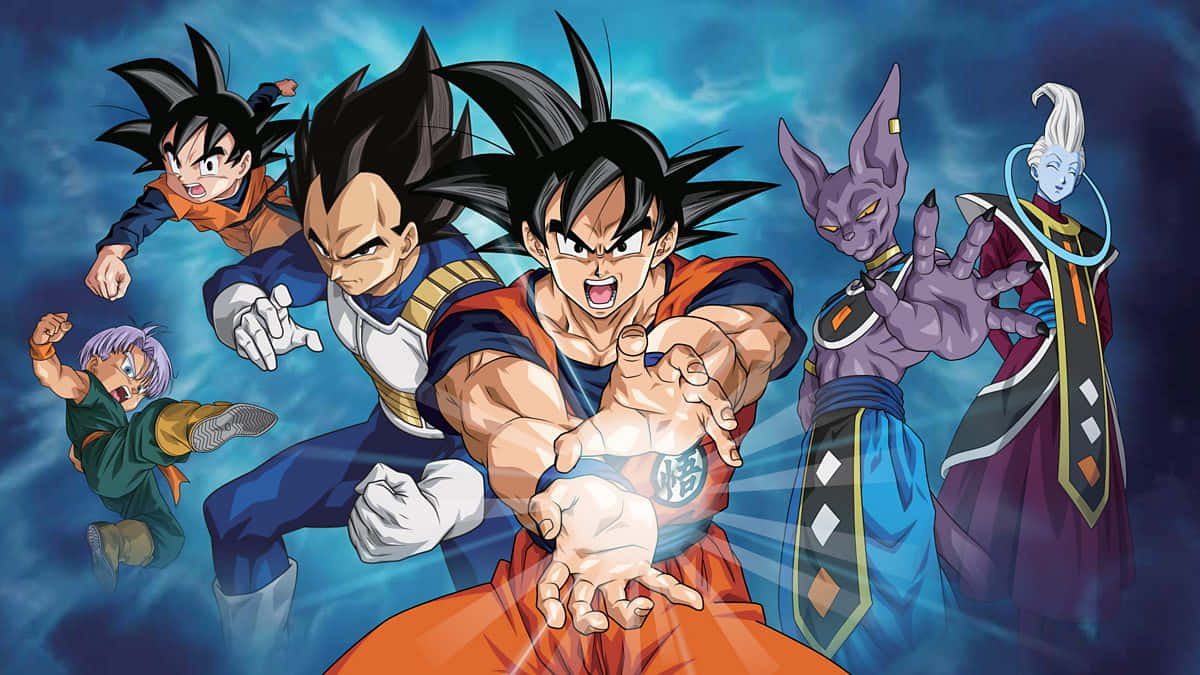
How Akira Toriyama’s Masterpiece Became a Multi-Billion Dollar Franchise
Dragon Ball is not just a beloved anime and manga series—it’s also a multi-billion dollar business empire that has generated billions of dollars in revenue over the years. From merchandise and video games to movies and theme park attractions, Dragon Ball has become one of the most valuable and recognizable brands in the world. In this article, we’ll explore the business success and brand value of Dragon Ball, and how it has evolved from a simple manga series to a global phenomenon.
The Early Business Success: Dragon Ball’s Manga and Anime
Dragon Ball’s business success began with the manga series, which quickly became one of the most popular in Japan.
Key Milestones:
-
Manga Sales: The original Dragon Ball manga, which ran from 1984 to 1995, sold over 300 million copies worldwide, making it one of the best-selling manga series of all time.
-
Anime Adaptation: The Dragon Ball anime, which aired from 1986 to 1989, was a massive success in Japan, with high ratings and a dedicated fanbase.
-
Merchandise Sales: The success of the manga and anime led to a surge in merchandise sales, including toys, clothing, and accessories, which generated significant revenue for the franchise.
-
International Expansion: Dragon Ball’s international expansion began in the late 1980s, when the anime was exported to other Asian countries, where it quickly became popular.
-
Licensing Deals: Dragon Ball’s success led to numerous licensing deals, allowing companies to create and sell Dragon Ball-themed products and services.
The Explosion: Dragon Ball Z’s Global Domination
When Dragon Ball Z premiered in 1989, it took the franchise to new heights of popularity and profitability.
Key Developments:
-
Global Broadcast: Dragon Ball Z was broadcast in over 80 countries, reaching millions of viewers around the world and expanding the franchise’s global reach.
-
Merchandise Explosion: The popularity of Dragon Ball Z led to an explosion in merchandise sales, with everything from action figures to lunch boxes featuring the series’ characters.
-
Video Game Adaptations: Dragon Ball Z was adapted into numerous video games, which became some of the best-selling anime-based video games of all time.
-
Movie Releases: Dragon Ball Z movies, including both theatrical releases and direct-to-video films, generated significant revenue at the box office and through home video sales.
-
Brand Recognition: Dragon Ball Z became a household name around the world, with its characters and symbols becoming instantly recognizable to people of all ages.
The Business Structure: How Dragon Ball Generates Revenue
Dragon Ball’s business success is built on a diverse range of revenue streams, each contributing to the franchise’s overall profitability.
Key Revenue Streams:
-
Manga and Anime Sales: The Dragon Ball manga and anime continue to generate significant revenue through sales, streaming, and broadcast rights.
-
Merchandise Sales: Dragon Ball merchandise is sold in countries around the world, with everything from toys and clothing to food and beverages featuring the series’ characters.
-
Video Games: Dragon Ball video games have sold over 40 million copies worldwide, making them some of the best-selling anime-based video games of all time.
-
Movies and TV Shows: Dragon Ball movies and TV shows generate revenue through box office sales, streaming rights, and home video sales.
-
Licensing and Partnerships: Dragon Ball’s licensing and partnership deals with companies like Adidas, Supreme, and Marvel Comics generate significant revenue for the franchise.
-
Theme Park Attractions: Dragon Ball-themed attractions at theme parks around the world, including Universal Studios Japan’s “Dragon Ball Z: Battle of Gods” attraction, generate revenue through ticket sales and merchandise.
The Brand Value: Dragon Ball’s Intangible Assets
Dragon Ball’s brand value extends beyond its tangible revenue streams, with the franchise’s intangible assets contributing significantly to its overall worth.
Key Intangible Assets:
-
Brand Recognition: Dragon Ball is one of the most recognizable brands in the world, with its characters and symbols instantly recognizable to people of all ages.
-
Fan Loyalty: Dragon Ball has one of the most loyal fanbases in the world, with fans of all ages continuing to support the franchise year after year.
-
Cultural Impact: Dragon Ball has had a significant cultural impact, influencing everything from anime and manga to music and fashion.
-
Cross-Generational Appeal: Dragon Ball appeals to multiple generations, with parents introducing their children to the series and sharing their love for Dragon Ball with the next generation.
-
Global Reach: Dragon Ball has a global reach, with fans in virtually every country in the world, making it a truly global brand.
The Role of Toei Animation and Shueisha
Toei Animation and Shueisha, the companies responsible for producing and publishing Dragon Ball, have played a crucial role in the franchise’s business success.
Key Contributions:
-
Production Quality: Toei Animation has consistently produced high-quality animation for the Dragon Ball series, ensuring that the franchise remains visually impressive and appealing to fans.
-
Global Distribution: Toei Animation has worked to distribute Dragon Ball around the world, ensuring that the series reaches as many fans as possible.
-
Merchandise Licensing: Shueisha has managed the merchandise licensing for Dragon Ball, ensuring that the franchise’s products are of high quality and appeal to fans.
-
Brand Management: Both Toei Animation and Shueisha have worked to manage the Dragon Ball brand, ensuring that it remains consistent and recognizable across all platforms and products.
-
Collaboration with Akira Toriyama: Toei Animation and Shueisha have worked closely with Akira Toriyama throughout the franchise’s run, ensuring that the business decisions remain faithful to his original vision.
The Digital Transformation: Dragon Ball in the Digital Age
The digital age has brought new opportunities and challenges for the Dragon Ball franchise, which has adapted to the changing landscape with remarkable success.
Key Developments:
-
Streaming Services: Dragon Ball’s availability on streaming services like Netflix, Hulu, and Crunchyroll has made the series more accessible than ever, reaching new audiences and generating additional revenue.
-
Social Media: Dragon Ball has a strong presence on social media, with official accounts on Twitter, Facebook, Instagram, and YouTube, which help to engage fans and promote new content.
-
Digital Merchandise: Dragon Ball has expanded into digital merchandise, including digital collectibles and in-game items, which generate additional revenue for the franchise.
-
Mobile Games: Dragon Ball mobile games, such as Dragon Ball Z Dokkan Battle and Dragon Ball Legends, have become some of the most popular mobile games in the world, generating significant revenue through in-app purchases.
-
Virtual Events: Dragon Ball has embraced virtual events, including virtual conventions and online tournaments, which allow fans to connect with each other and the franchise from anywhere in the world.
The Global Expansion: Dragon Ball’s International Success
Dragon Ball’s international success is a key component of its business success, with the franchise generating significant revenue from markets around the world.
Key Markets:
-
Japan: Japan remains the largest market for Dragon Ball, with strong sales of manga, anime, and merchandise.
-
North America: North America is a major market for Dragon Ball, with strong sales of video games, merchandise, and home video releases.
-
Latin America: Latin America is a particularly strong market for Dragon Ball, with millions of fans and high merchandise sales.
-
Europe: Europe is a significant market for Dragon Ball, with strong sales of manga, anime, and merchandise.
-
Asia: Other parts of Asia, including China, South Korea, and Southeast Asia, are important markets for Dragon Ball, with strong sales of merchandise and video games.
-
Middle East and Africa: The Middle East and Africa are emerging markets for Dragon Ball, with growing fanbases and increasing merchandise sales.
The Future Business Potential: Dragon Ball’s Ongoing Growth
Dragon Ball’s business potential remains strong, with numerous opportunities for growth and expansion in the coming years.
Key Opportunities:
-
New Content: The release of new Dragon Ball content, including series, movies, and video games, will continue to generate revenue and attract new fans to the franchise.
-
Technological Advancements: Technological advancements, including virtual reality and augmented reality, will provide new opportunities for Dragon Ball to engage with fans and generate revenue.
-
Theme Park Expansions: Dragon Ball-themed attractions at theme parks around the world will continue to expand, providing new revenue streams for the franchise.
-
Crossover Collaborations: Dragon Ball’s crossover collaborations with other brands and franchises will continue to generate revenue and expand the franchise’s reach.
-
Emerging Markets: Dragon Ball’s expansion into emerging markets, including India and parts of Africa, will provide new opportunities for growth and revenue.
The Challenges: Maintaining Dragon Ball’s Success
Despite its remarkable success, Dragon Ball faces several challenges in maintaining its position as a top-tier franchise.
Key Challenges:
-
Market Saturation: The market for anime and manga content is becoming increasingly saturated, with new series and franchises competing for fans’ attention and dollars.
-
Changing Consumer Preferences: Consumer preferences are changing, with younger audiences increasingly turning to digital content and short-form entertainment.
-
Piracy: Piracy remains a significant challenge for the Dragon Ball franchise, with illegal copies of manga, anime, and merchandise cutting into revenue.
-
Brand Dilution: The risk of brand dilution is always present, with too many products or partnerships potentially diminishing the value of the Dragon Ball brand.
-
Succession Planning: As Akira Toriyama ages, there is a need for succession planning to ensure that the franchise continues to thrive after his involvement diminishes.
Conclusion
The business success and brand value of Dragon Ball are a testament to the franchise’s enduring popularity and universal appeal. From its humble beginnings as a manga series to its status as a multi-billion dollar empire, Dragon Ball has proven to be one of the most successful and valuable brands in the world.
What makes Dragon Ball’s business success so remarkable is its ability to adapt and evolve with the times, while remaining faithful to the original vision of Akira Toriyama. Whether it’s embracing digital technology or expanding into new markets, Dragon Ball has consistently found ways to grow and thrive in an ever-changing business landscape.
As we look to the future, it’s clear that Dragon Ball’s business success will continue to grow. With new content, technological advancements, and global expansion, the franchise is well-positioned to remain a top-tier brand for years to come. And while the business side of Dragon Ball is impressive, it’s important to remember that at its core, Dragon Ball is a beloved series that has touched the lives of millions of fans around the world, bringing them joy, inspiration, and a sense of community.
So here’s to Dragon Ball—may it continue to entertain and inspire fans for generations to come, while maintaining its status as one of the most successful and valuable brands in the world.