The Creation History and Evolution of Dragon Ball
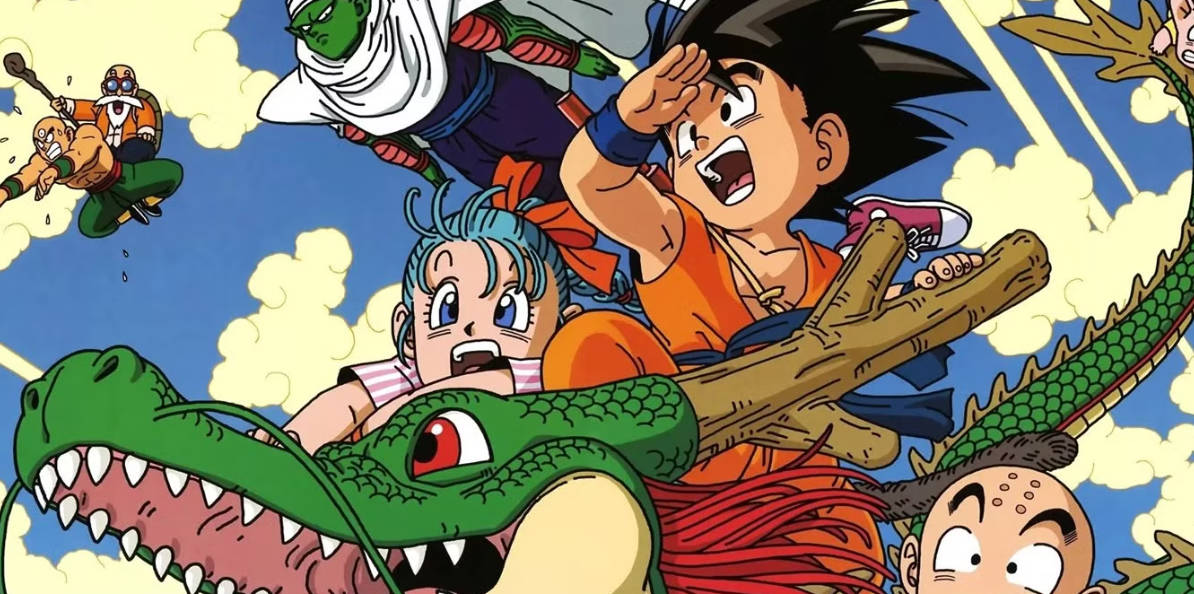
From Concept to Cultural Phenomenon: The Journey of Akira Toriyama’s Masterpiece
Dragon Ball is one of the most popular and influential anime and manga series of all time, captivating audiences around the world with its epic storylines, memorable characters, and groundbreaking action sequences. But how did this cultural phenomenon come to be? In this article, we’ll explore the creation history and evolution of Dragon Ball, from its humble beginnings as a manga series to its status as a global icon.
The Early Years: Akira Toriyama’s Background
Before creating Dragon Ball, Akira Toriyama was already an established manga artist in Japan, having created the popular series Dr. Slump in the late 1970s.
Key Influences:
-
Chinese Folklore: Toriyama drew inspiration from the classic Chinese novel “Journey to the West,” particularly the character of Sun Wukong (the Monkey King), who would later serve as the basis for Goku.
-
Western Media: Toriyama was influenced by Western media, including superhero comics, science fiction films, and video games, which would later be reflected in Dragon Ball’s unique blend of action, humor, and science fiction elements.
-
Dr. Slump: Toriyama’s previous work, Dr. Slump, was a comedic manga series that established his distinctive art style and sense of humor, which would later be incorporated into Dragon Ball.
-
Personal Experiences: Toriyama’s personal experiences, including his love of martial arts and his fascination with mythology and folklore, also influenced the creation of Dragon Ball.
The Creation of Dragon Ball: From Concept to Publication
Dragon Ball was created by Akira Toriyama and first published in Weekly Shōnen Jump magazine in 1984.
Key Developments:
-
The Initial Concept: Toriyama initially conceived Dragon Ball as a comedic adventure series inspired by “Journey to the West,” with Goku as a young boy with a monkey tail who embarks on a quest to find the seven Dragon Balls.
-
The Early Chapters: The early chapters of Dragon Ball focused on Goku’s adventures with Bulma, Oolong, and Yamcha, as they searched for the Dragon Balls and encountered various villains and allies along the way.
-
The Shift to Martial Arts: As the series progressed, Toriyama shifted the focus from comedy and adventure to martial arts tournaments and epic battles, which would become a defining feature of the series.
-
The Introduction of New Characters: Toriyama introduced a variety of new characters throughout the series, including Krillin, Master Roshi, Tien Shinhan, and Piccolo, each with their own unique abilities and personalities.
-
The Success of the Manga: Dragon Ball quickly became one of the most popular manga series in Japan, with millions of copies sold and a dedicated fanbase.
The Evolution of Dragon Ball Z: From Manga to Anime
In 1989, Dragon Ball was adapted into an anime series, which was later renamed Dragon Ball Z to reflect the shift in tone and focus of the series.
Key Events:
-
The Anime Adaptation: The Dragon Ball anime premiered in Japan in 1986, adapting the early chapters of the manga.
-
The Shift to Dragon Ball Z: In 1989, the anime was renamed Dragon Ball Z to reflect the shift in the manga’s focus from comedy and adventure to more serious martial arts battles and epic storylines.
-
The Introduction of New Storylines: The anime introduced several original storylines and characters not present in the manga, including the Garlic Jr. Saga and the Great Saiyaman Saga.
-
The Global Expansion: Dragon Ball Z was dubbed into multiple languages and broadcast around the world, becoming a global phenomenon and introducing millions of fans to the series.
-
The End of the Original Series: The original Dragon Ball Z anime ended in 1996, after adapting the entire manga series up to the end of the Buu Saga.
The Legacy of Dragon Ball GT
Dragon Ball GT, which aired from 1996 to 1997, was the first Dragon Ball series not based on Akira Toriyama’s manga, instead featuring original storylines and characters.
Key Developments:
-
The Concept: Dragon Ball GT was conceived as a continuation of the Dragon Ball story, focusing on Goku’s adventures as a child after being transformed by the Black Star Dragon Balls.
-
The Storylines: Dragon Ball GT featured several original storylines, including the Baby Saga, the Super 17 Saga, and the Shadow Dragon Saga.
-
The Reception: Dragon Ball GT received mixed reviews from fans and critics, with some praising its new ideas and others criticizing its departure from the original manga’s tone and style.
-
The Legacy: Despite its mixed reception, Dragon Ball GT has gained a cult following over the years and is now considered a part of the Dragon Ball canon by many fans.
The Resurgence: Dragon Ball Super
In 2015, Dragon Ball made a triumphant return with Dragon Ball Super, which was based on a concept by Akira Toriyama and featured new storylines set after the events of the Buu Saga.
Key Events:
-
The Announcement: Dragon Ball Super was announced in 2015, marking the first new Dragon Ball anime series in 18 years.
-
The Storylines: Dragon Ball Super featured several new storylines, including the Battle of Gods Saga, the Resurrection F Saga, the Universe 6 Saga, the Future Trunks Saga, and the Tournament of Power Saga.
-
The Introduction of New Characters: Dragon Ball Super introduced a variety of new characters, including Beerus, Whis, Frieza’s resurrected form, Goku Black, Zamasu, and Jiren.
-
The Return to Form: Dragon Ball Super was praised for its return to the original manga’s tone and style, while also introducing new ideas and expanding the Dragon Ball universe.
-
The Global Success: Dragon Ball Super was a global success, with millions of viewers around the world and a dedicated fanbase.
The Cultural Impact of Dragon Ball
Dragon Ball has had a profound impact on popular culture, influencing everything from anime and manga to video games, music, and fashion.
Key Influences:
-
Anime and Manga: Dragon Ball has influenced countless other anime and manga series, including Naruto, One Piece, and Bleach, which have all borrowed elements from Dragon Ball’s storytelling, character design, and action sequences.
-
Video Games: Dragon Ball has been adapted into numerous video games, including the popular Dragon Ball Z: Budokai and Dragon Ball FighterZ series, which have sold millions of copies worldwide.
-
Music: Dragon Ball’s theme songs and soundtracks have become iconic, with songs like “Cha-La Head-Cha-La” and “We Gotta Power” becoming instantly recognizable to fans around the world.
-
Fashion: Dragon Ball has influenced fashion, with clothing and accessories featuring Dragon Ball characters and symbols becoming popular around the world.
-
Language: Dragon Ball has even influenced language, with phrases like “Kamehameha” and “Super Saiyan” entering the popular lexicon.
The Business of Dragon Ball
Dragon Ball has become a multi-billion dollar franchise, with merchandise, video games, and other products generating billions of dollars in revenue each year.
Key Revenue Streams:
-
Manga Sales: The Dragon Ball manga has sold over 300 million copies worldwide, making it one of the best-selling manga series of all time.
-
Anime Broadcasts: Dragon Ball anime series have been broadcast in over 80 countries, generating significant revenue through licensing fees and merchandise sales.
-
Merchandise: Dragon Ball merchandise, including toys, clothing, and accessories, generates billions of dollars in revenue each year.
-
Video Games: Dragon Ball video games have sold over 40 million copies worldwide, making them some of the best-selling anime-based video games of all time.
-
Movies: Dragon Ball movies, including both theatrical releases and direct-to-video films, have generated significant revenue at the box office and through home video sales.
The Fan Community
Dragon Ball has one of the largest and most dedicated fan communities in the world, with fans of all ages and backgrounds coming together to celebrate their love of the series.
Key Elements:
-
Fan Fiction: Dragon Ball has inspired countless fan fiction stories, with fans creating their own adventures for Goku and the other characters.
-
Fan Art: Dragon Ball has inspired a wealth of fan art, with fans creating their own interpretations of the characters and storylines.
-
Cosplay: Dragon Ball characters are popular choices for cosplay, with fans dressing up as Goku, Vegeta, and other characters at conventions and events around the world.
-
Fan Conventions: Dragon Ball is a popular subject at anime and comic conventions, with panels, screenings, and other events dedicated to the series.
-
Online Communities: Dragon Ball has a strong presence online, with fan forums, social media groups, and websites dedicated to discussing the series and sharing fan-created content.
The Future of Dragon Ball
Dragon Ball shows no signs of slowing down, with new content and merchandise continuing to be released regularly.
Upcoming Projects:
-
New Anime Series: There are rumors of a new Dragon Ball anime series in development, which would continue the story after the events of Dragon Ball Super.
-
New Movies: New Dragon Ball movies are also rumored to be in development, which would explore new storylines and characters.
-
Video Games: New Dragon Ball video games are regularly released, with the latest titles featuring updated graphics and gameplay mechanics.
-
Merchandise: New Dragon Ball merchandise is constantly being released, including toys, clothing, and accessories featuring the latest characters and storylines.
-
Cultural Events: Dragon Ball continues to be celebrated at events around the world, including conventions, exhibitions, and live performances.
Conclusion
The creation history and evolution of Dragon Ball is a fascinating story of creativity, innovation, and cultural impact. From its humble beginnings as a manga series inspired by Chinese folklore to its status as a global phenomenon, Dragon Ball has captivated audiences around the world with its epic storylines, memorable characters, and groundbreaking action sequences.
What makes Dragon Ball so special is its ability to evolve and adapt over time, while still remaining true to its core themes of friendship, perseverance, and the pursuit of strength. Whether you’re a fan of the original manga, the classic anime series, or the latest Dragon Ball Super content, there’s no denying the impact that Dragon Ball has had on popular culture and the lives of millions of fans around the world.
As we look to the future, it’s clear that Dragon Ball will continue to be a cultural force for years to come, inspiring new generations of fans and creators with its timeless story and unforgettable characters. The journey of Goku and the other Dragon Ball characters is far from over, and we can’t wait to see what adventures await them next.