The Fan Culture and Community of Dragon Ball
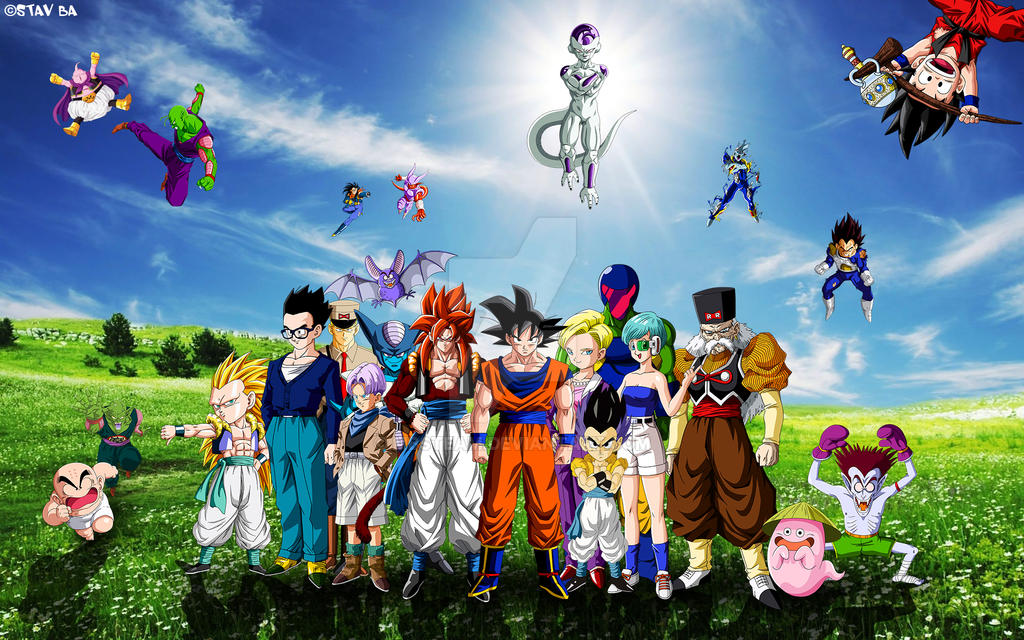
Exploring the Global Phenomenon of Dragon Ball Fandom
Dragon Ball is more than just an anime and manga series—it’s a global phenomenon with one of the largest and most dedicated fan communities in the world. From conventions and cosplay to fan art and fan fiction, Dragon Ball fans have created a vibrant and supportive community that celebrates their love for the series. In this article, we’ll explore the fan culture and community of Dragon Ball, and how it has evolved over the years.
The Early Days of Dragon Ball Fandom
Dragon Ball fandom began in Japan in the mid-1980s, when the manga series first premiered in Weekly Shōnen Jump magazine.
Key Developments:
-
The First Fans: The first Dragon Ball fans were Japanese readers of Weekly Shōnen Jump, who eagerly followed Goku’s adventures and discussed the series with their friends.
-
The Anime Adaptation: The release of the Dragon Ball anime in 1986 brought new fans to the series, expanding the fandom beyond just manga readers.
-
Fan Clubs: Official Dragon Ball fan clubs were established in Japan, allowing fans to connect with each other and receive exclusive merchandise and information.
-
Early Fan Art and Fan Fiction: Japanese fans began creating fan art and fan fiction based on Dragon Ball, sharing their work through fan clubs and fanzines.
-
The Spread to Other Countries: As Dragon Ball was exported to other countries in Asia, the fandom began to grow beyond Japan’s borders.
The Global Expansion of Dragon Ball Fandom
In the 1990s, Dragon Ball fandom began to expand globally, as the anime series was dubbed into English and other languages and broadcast around the world.
Key Milestones:
-
The Western Debut: Dragon Ball Z made its Western debut in the early 1990s, introducing the series to a whole new audience of fans.
-
The Internet Revolution: The rise of the internet in the 1990s and 2000s allowed Dragon Ball fans from around the world to connect with each other, share fan art and fan fiction, and discuss the series.
-
Fan Websites and Forums: The first Dragon Ball fan websites and forums were created, providing a platform for fans to connect and share their love for the series.
-
Fan Subbing: Fans began creating fan subtitles for episodes of Dragon Ball that hadn’t been officially released in their countries, allowing fans to watch the latest episodes as they aired in Japan.
-
Conventions and Events: Dragon Ball conventions and events began to be held around the world, giving fans the opportunity to meet other fans, purchase merchandise, and participate in activities like cosplay contests and trivia games.
The Modern Dragon Ball Fandom
Today, Dragon Ball fandom is a global phenomenon, with millions of fans around the world connecting through social media, conventions, and other platforms.
Key Elements:
-
Social Media: Dragon Ball has a strong presence on social media, with official accounts on Twitter, Facebook, Instagram, and YouTube, as well as countless fan accounts.
-
Streaming Services: The availability of Dragon Ball on streaming services like Netflix, Hulu, and Crunchyroll has made the series more accessible than ever, introducing new fans to the franchise.
-
Fan Art and Fan Fiction: Dragon Ball continues to inspire countless fan art and fan fiction creations, with fans sharing their work on platforms like DeviantArt, Tumblr, and Archive of Our Own.
-
Cosplay: Dragon Ball cosplay is more popular than ever, with fans around the world dressing up as Goku, Vegeta, and other characters at conventions and events.
-
Fan Theories and Analysis: Dragon Ball fans are known for their detailed theories and analysis of the series, with fans creating videos, blog posts, and podcasts discussing everything from the series’ lore to its themes and characters.
Dragon Ball Conventions and Events
Dragon Ball conventions and events are held around the world, giving fans the opportunity to connect with each other and celebrate their love for the series.
Key Events:
-
Dragon Ball Super Expo: The Dragon Ball Super Expo is an official event held in Japan that features exclusive merchandise, panels with the series’ creators, and live performances.
-
Comic Con: Dragon Ball is a staple at comic conventions around the world, including San Diego Comic-Con, New York Comic Con, and London Comic Con, with panels, merchandise, and cosplay contests dedicated to the series.
-
Anime Conventions: Dragon Ball is also a popular subject at anime conventions, including Anime Expo, Otakon, and Anime Boston, where fans can meet voice actors, purchase merchandise, and participate in Dragon Ball-themed activities.
-
Regional Events: Dragon Ball regional events are held around the world, including fan meetups, movie screenings, and gaming tournaments.
-
Virtual Events: In recent years, virtual Dragon Ball events have become more popular, allowing fans from around the world to connect online and participate in activities like panels and Q&A sessions with the series’ creators.
The Business of Dragon Ball Fandom
Dragon Ball fandom has become a big business, with companies capitalizing on the series’ popularity through merchandise, events, and other products.
Key Revenue Streams:
-
Merchandise: Dragon Ball merchandise, including clothing, accessories, toys, and collectibles, generates billions of dollars in revenue each year.
-
Conventions and Events: Dragon Ball conventions and events generate significant revenue through ticket sales, merchandise sales, and sponsorships.
-
Video Games: Dragon Ball video games, including the popular Dragon Ball FighterZ and Dragon Ball Z: Kakarot, generate millions of dollars in revenue each year.
-
Streaming and Home Video: Dragon Ball streaming and home video sales generate significant revenue, with fans eager to own the latest episodes and movies.
-
Fan-Made Content: While fan-made content is not directly monetized by the franchise, it helps to keep the series relevant and engage fans, ultimately benefiting the business side of the franchise.
The Impact of Dragon Ball Fandom on the Series
Dragon Ball fandom has had a significant impact on the series, influencing everything from the characters to the storylines.
Key Examples:
-
Character Popularity: The popularity of certain characters, like Vegeta and Gohan, has influenced the series’ creators to give them more prominent roles in the story.
-
Fan Feedback: The series’ creators often take fan feedback into account when developing new storylines and characters, ensuring that the series remains relevant to its audience.
-
Merchandise Development: The popularity of certain characters and storylines influences the development of merchandise, with companies creating products based on what fans want.
-
Crossover Collaborations: Fan demand has led to crossover collaborations between Dragon Ball and other franchises, including Adidas, Supreme, and Marvel Comics.
-
Fan Service: The series often includes fan service, including references to popular moments and characters from previous seasons, to keep fans engaged and satisfied.
The Diversity of Dragon Ball Fandom
Dragon Ball fandom is incredibly diverse, with fans of all ages, genders, races, and backgrounds coming together to celebrate their love for the series.
Key Demographics:
-
Age: Dragon Ball has fans of all ages, from children who are just discovering the series to adults who have been fans since the 1980s.
-
Gender: While Dragon Ball is often associated with male fans, it has a significant female fanbase, with many women enjoying the series’ characters, storylines, and themes.
-
Race and Ethnicity: Dragon Ball has fans of all races and ethnicities, with the series’ universal themes and characters resonating with people from around the world.
-
Geography: Dragon Ball has fans in virtually every country in the world, with the series being broadcast in over 80 countries and translated into numerous languages.
-
Interests: Dragon Ball fans have diverse interests beyond the series itself, including anime, manga, video games, martial arts, and cosplay.
The Positive Impact of Dragon Ball Fandom
Dragon Ball fandom has had a positive impact on many fans’ lives, providing a sense of community, belonging, and inspiration.
Key Benefits:
-
Sense of Community: Dragon Ball fandom provides a sense of community for fans, allowing them to connect with other people who share their interests and passion for the series.
-
Friendship and Support: Many fans have formed lasting friendships through Dragon Ball fandom, and the community often provides support for fans going through difficult times.
-
Creative Outlet: Dragon Ball fandom provides a creative outlet for fans, allowing them to express themselves through fan art, fan fiction, cosplay, and other creative activities.
-
Inspiration: Dragon Ball’s themes of friendship, perseverance, and the pursuit of strength have inspired many fans to overcome challenges and strive for their goals.
-
Cultural Exchange: Dragon Ball fandom has facilitated cultural exchange between fans from different countries, promoting understanding and appreciation of different cultures.
The Future of Dragon Ball Fandom
As Dragon Ball continues to evolve and expand, so too will its fandom, with new generations of fans discovering the series and adding their own unique contributions to the community.
Future Developments:
-
New Content: The release of new Dragon Ball content, including series, movies, and video games, will continue to attract new fans to the franchise.
-
Technological Advancements: Technological advancements, including virtual reality and augmented reality, will provide new ways for fans to engage with the series and each other.
-
Global Events: Dragon Ball global events, both in-person and virtual, will continue to bring fans together from around the world.
-
Fan-Made Content: Fan-made content will continue to evolve, with fans using new tools and platforms to create and share their work.
-
Intergenerational Fandom: Dragon Ball fandom will continue to be intergenerational, with parents introducing their children to the series and sharing their love for Dragon Ball with the next generation.
Conclusion
The fan culture and community of Dragon Ball is a testament to the series’ enduring popularity and universal appeal. From its humble beginnings in Japan to its status as a global phenomenon, Dragon Ball has brought together millions of fans around the world, creating a vibrant and supportive community that celebrates their love for the series.
What makes Dragon Ball fandom so special is its diversity and inclusivity. Fans of all ages, genders, races, and backgrounds come together to share their passion for the series, forming lasting friendships and creating a sense of belonging that extends beyond the world of Dragon Ball.
As Dragon Ball continues to evolve and expand, its fandom will no doubt continue to grow and thrive. New generations of fans will discover the series, adding their own unique contributions to the community, while existing fans will continue to celebrate and share their love for Dragon Ball.
So here’s to the Dragon Ball fandom—thank you for your passion, creativity, and dedication. You are the reason why Dragon Ball continues to be one of the most beloved and iconic franchises in the world, and your contributions to the community will be remembered for generations to come.