The Philosophy and Life Lessons of Dragon Ball
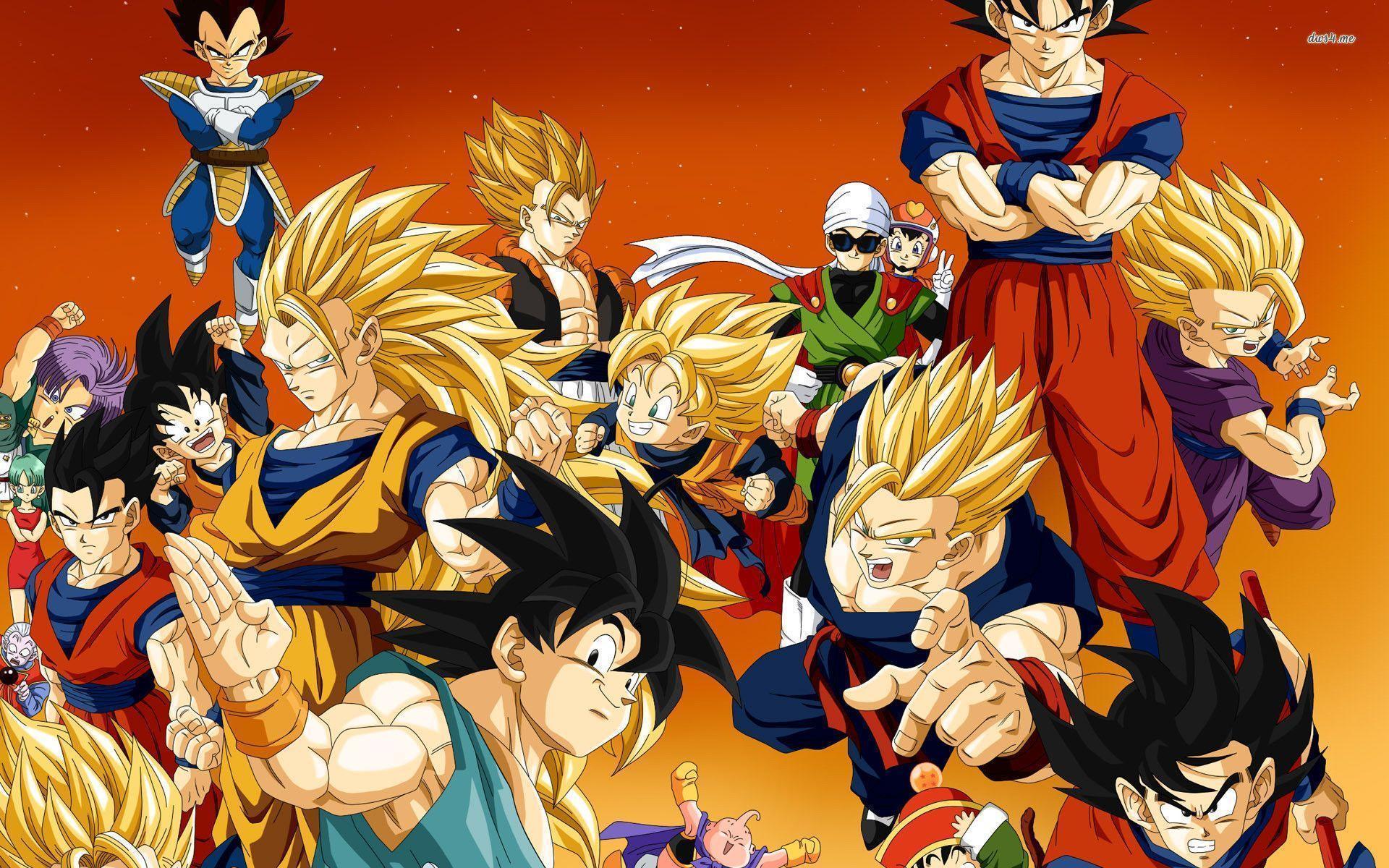
Exploring the Deep Themes and Wisdom in Akira Toriyama’s Masterpiece
Dragon Ball is often celebrated for its epic battles, memorable characters, and stunning visuals, but beneath the surface lies a rich tapestry of philosophical themes and life lessons that have resonated with fans around the world. From the importance of friendship to the value of perseverance, Dragon Ball offers a wealth of wisdom that extends far beyond the realm of entertainment. In this article, we’ll explore the philosophy and life lessons of Dragon Ball, and how they can be applied to our own lives.
The Importance of Friendship and Camaraderie
One of the most prominent themes in Dragon Ball is the importance of friendship and camaraderie. Throughout the series, Goku and his friends repeatedly demonstrate that true strength comes not from individual power, but from working together and supporting each other.
Key Examples:
-
Goku and Krillin: Goku and Krillin’s friendship is one of the most enduring in the series, with the two training together, fighting alongside each other, and always being there for each other in times of need.
-
The Z Fighters: The Z Fighters, a group of warriors dedicated to protecting Earth, show that even the strongest individuals can achieve more when they work together.
-
Goku and Vegeta: Goku and Vegeta’s relationship evolves from bitter rivals to trusted allies, showing that even the most adversarial relationships can be transformed through mutual respect and shared goals.
-
The Power of Teamwork: Time and time again, the Z Fighters overcome seemingly insurmountable odds by working together, combining their strengths and supporting each other.
-
The Value of Loyalty: The Z Fighters’ loyalty to each other is a recurring theme, with characters willing to sacrifice themselves for the greater good and for the people they care about.
The Pursuit of Self-Improvement and Growth
Dragon Ball is also a celebration of the pursuit of self-improvement and growth, with characters constantly pushing themselves to become stronger, both physically and mentally.
Key Examples:
-
Goku’s Training: Goku’s relentless pursuit of strength is a central theme of the series, with the Saiyan constantly seeking out new challenges and training methods to improve himself.
-
The Importance of Hard Work: Dragon Ball emphasizes that true strength comes not from天赋 alone, but from hard work, dedication, and perseverance.
-
The Value of Failure: Characters in Dragon Ball often experience failure, but they use these setbacks as opportunities to learn and grow, rather than allowing them to defeat them.
-
The Journey vs. The Destination: Dragon Ball suggests that the journey of self-improvement is just as important as the destination, with characters finding fulfillment in the process of training and growth.
-
The Limitless Potential of the Human Spirit: Dragon Ball celebrates the limitless potential of the human spirit, showing that with enough determination and hard work, anyone can achieve greatness.
The Dangers of Arrogance and Pride
Dragon Ball warns against the dangers of arrogance and pride, showing that overconfidence can lead to defeat and humiliation.
Key Examples:
-
Frieza: Frieza’s arrogance and belief in his own invincibility lead to his downfall, as he underestimates the power of the Saiyans and pays the price.
-
Cell: Cell’s arrogance and desire to show off his power lead to his defeat, as he gives the Z Fighters time to prepare and ultimately falls to Gohan’s rage.
-
Vegeta’s Character Arc: Vegeta’s journey from arrogant prince to humble warrior is a powerful example of the dangers of pride and the redemptive power of humility.
-
The Importance of Humility: Characters who remain humble, like Goku and Krillin, are often the most successful, as they are open to learning and growing.
-
The Balance of Confidence and Humility: Dragon Ball suggests that true strength comes from a balance of confidence in one’s abilities and humility in the face of greater challenges.
The Value of Sacrifice and Selflessness
Dragon Ball emphasizes the value of sacrifice and selflessness, showing that true heroism often requires putting others before oneself.
Key Examples:
-
Piccolo’s Sacrifice: Piccolo’s sacrifice to save Gohan from Nappa is one of the most emotional moments in the series, showing the Namekian’s growth from villain to hero.
-
Goku’s Selflessness: Goku repeatedly puts the needs of others before his own, risking his life to protect Earth and his friends.
-
The Spirit Bomb: The Spirit Bomb, a technique that draws power from all living things, symbolizes the idea that true strength comes from the collective will of all beings.
-
The Importance of Compassion: Dragon Ball teaches that compassion and empathy are just as important as physical strength, with characters often finding redemption through acts of kindness.
-
The Greater Good: Characters in Dragon Ball are often called upon to make sacrifices for the greater good, showing that sometimes individual desires must be put aside for the benefit of all.
The Cycle of Life, Death, and Rebirth
Dragon Ball explores the cycle of life, death, and rebirth, with characters often facing mortality and finding meaning in the face of death.
Key Examples:
-
Goku’s Deaths: Goku dies twice in the series, but each time his death serves a greater purpose, and he is eventually resurrected through the power of the Dragon Balls.
-
The Dragon Balls: The Dragon Balls themselves symbolize the cycle of life and death, with the ability to bring back the dead and grant wishes.
-
The Afterlife: Dragon Ball’s depiction of the afterlife, including King Yemma, the Snake Way, and the Other World, offers a unique perspective on death and the afterlife.
-
The Importance of Living in the Moment: Despite the constant threat of death, Dragon Ball’s characters find joy in the present moment, cherishing their time with friends and family.
-
The Legacy of the Dead: Characters who die in Dragon Ball often leave behind a legacy that inspires those who remain, showing that their impact continues even after they are gone.
The Balance of Good and Evil
Dragon Ball explores the balance of good and evil, suggesting that both forces are necessary for the universe to function properly.
Key Examples:
-
The Role of the Gods: Dragon Ball Super introduces the concept of Gods of Destruction and Supreme Kais, who maintain balance in the universe by destroying and creating, respectively.
-
The Redemption of Villains: Many villains in Dragon Ball, including Piccolo, Vegeta, and even Frieza, find redemption, suggesting that no one is beyond redemption.
-
The Duality of Characters: Several characters in Dragon Ball, including Vegeta and Android 18, embody both good and evil traits, showing that people are not simply black or white.
-
The Importance of Choice: Dragon Ball emphasizes the importance of choice in determining one’s destiny, with characters often faced with decisions that define their moral character.
-
The Consequences of Evil: Dragon Ball shows that evil actions have consequences, but it also suggests that redemption is possible for those who are willing to change.
The Power of Hope and Determination
Dragon Ball is a celebration of the power of hope and determination, showing that even in the face of overwhelming odds, it is possible to overcome adversity through sheer willpower.
Key Examples:
-
Goku’s Never-Give-Up Attitude: Goku’s unwavering determination and refusal to give up, even when facing seemingly insurmountable odds, is a defining characteristic of the series.
-
The Z Fighters’ Resilience: The Z Fighters repeatedly bounce back from defeat, showing that resilience is just as important as strength.
-
The Power of Positive Thinking: Characters in Dragon Ball often maintain a positive attitude even in the darkest of times, which helps them to overcome adversity.
-
The Importance of Belief: The belief in oneself and in others is a recurring theme, with characters often achieving the impossible because they believe they can.
-
The Triumph of Good Over Evil: Time and time again, good triumphs over evil in Dragon Ball, suggesting that hope and determination can overcome even the most powerful forces of darkness.
The Philosophy of Martial Arts
Dragon Ball draws heavily on the philosophy of martial arts, incorporating elements of Eastern philosophy and spirituality into its storytelling.
Key Elements:
-
The Way of the Warrior: Dragon Ball explores the concept of the “way of the warrior,” emphasizing discipline, respect, and self-control.
-
The Importance of Mind-Body Harmony: Martial arts in Dragon Ball require not just physical strength, but also mental discipline and focus.
-
The Value of Training: Dragon Ball emphasizes the importance of consistent training and practice in achieving mastery.
-
The Respect for Opponents: Characters in Dragon Ball often show respect for their opponents, even when they are enemies, recognizing the value of a worthy adversary.
-
The Spiritual Aspect of Martial Arts: Dragon Ball incorporates spiritual elements into its depiction of martial arts, with techniques like the Kamehameha requiring not just physical strength, but also spiritual energy.
Applying Dragon Ball’s Lessons to Real Life
The lessons and philosophy of Dragon Ball can be applied to our own lives, helping us to navigate the challenges and obstacles we face.
Practical Applications:
-
Cultivating Friendships: Dragon Ball teaches us the importance of surrounding ourselves with supportive friends who will be there for us in times of need.
-
Embracing Growth: Dragon Ball encourages us to embrace growth and self-improvement, constantly pushing ourselves to be better.
-
Practicing Humility: Dragon Ball reminds us to stay humble, even in the face of success, and to remain open to learning from others.
-
Persevering Through Adversity: Dragon Ball teaches us to persevere through adversity, using setbacks as opportunities to learn and grow.
-
Finding Balance: Dragon Ball suggests that true strength comes from finding balance in all aspects of our lives, including work and play, strength and compassion, and confidence and humility.
Conclusion
The philosophy and life lessons of Dragon Ball are what make the series so enduring and beloved. Beyond the epic battles and stunning visuals, Dragon Ball offers a wealth of wisdom about friendship, perseverance, humility, and the pursuit of self-improvement.
What makes Dragon Ball’s philosophy so powerful is its accessibility. The series presents complex ideas in a way that is easy to understand and relate to, making its lessons applicable to people of all ages and backgrounds.
Whether you’re facing a personal challenge, striving for self-improvement, or simply looking for inspiration, the lessons of Dragon Ball can provide guidance and motivation. As Goku himself once said, “I’m not saying it’s going to be easy, but anything worth doing never is.”
As we continue to navigate the challenges of life, let us draw inspiration from the world of Dragon Ball, embracing the power of friendship, the value of perseverance, and the limitless potential of the human spirit. In doing so, we can all strive to be a little more like Goku, pushing ourselves to be the best version of ourselves and making the world a better place in the process.